
NASAL & SINUS PROCEDURES
Nasal lesion assessment, biopsy or excision
New or changing lumps, sores or growths on or inside the nose may require medical assessment. Although many nasal lesions are benign, some need further examination to establish their nature.
Mr Premjit Randhawa provides specialist assessment and, where appropriate, biopsy or excision of selected nasal and facial lesions.
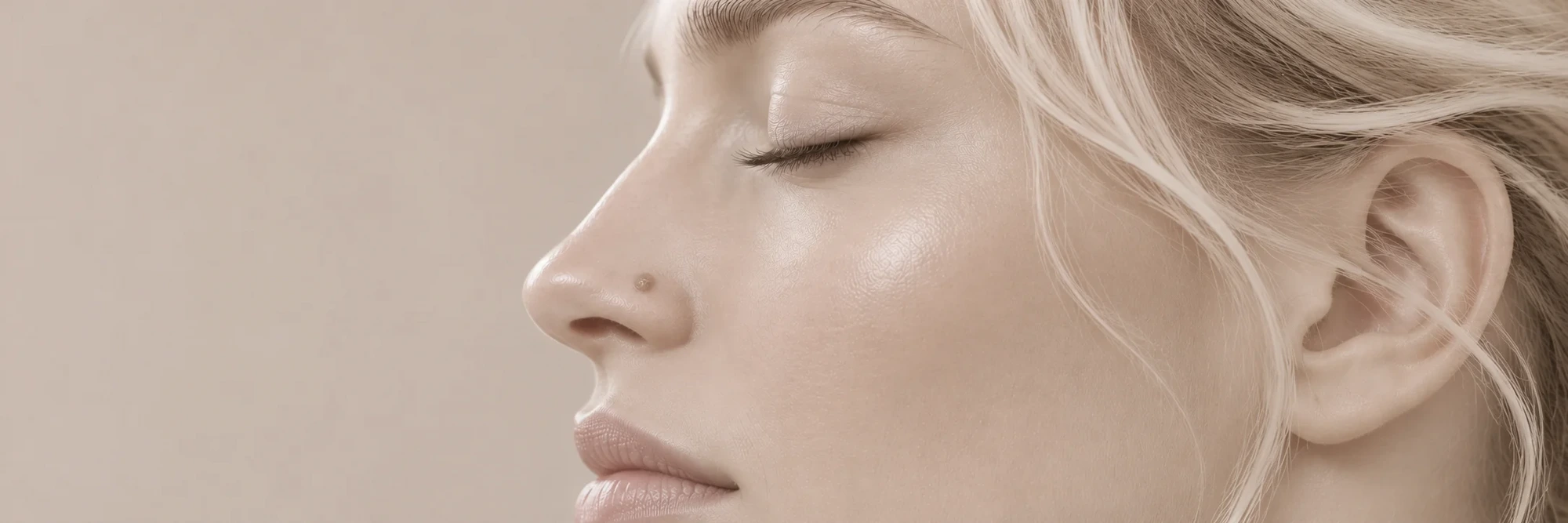
ABOUT THE CONDITION
What is a nasal lesion?
- A nasal lesion is a general term for an abnormal area of tissue affecting the nose.
- Lesions can develop on the external skin or within the nasal passages.
- They may include benign skin growths, cysts, inflammatory changes or other abnormalities.
- Certain lesions may require investigation to exclude more serious conditions.
WHEN TO SEEK ADVICE
When should a nasal lesion be assessed?
You should seek medical advice if you notice:
- A new or enlarging lump
- A sore that does not heal
- Recurrent bleeding or crusting from an affected area
- A lesion that changes in appearance
- Persistent discomfort or an unexplained abnormality inside the nose
These symptoms do not necessarily indicate anything serious, but they should not be ignored.
Your GP can assess the concern and arrange an appropriate specialist referral where indicated.
ASSESSMENT
What happens during an assessment?
Mr Randhawa will review the history of the lesion, including when it appeared and whether it has changed. The affected area will be examined, and further investigation may be recommended depending on its appearance and location.
Some lesions can be monitored, while others may require tissue sampling or removal.
DIAGNOSTIC PROCEDURES
What is a nasal biopsy?
A biopsy involves taking a small sample of tissue for laboratory examination. This allows the tissue to be examined under a microscope and can help establish a diagnosis.
The method depends on the location, size and nature of the lesion.
What does lesion excision involve?
Excision refers to the surgical removal of a lesion. Where excision is appropriate, the procedure will be planned with consideration for the surrounding anatomy, the need for tissue analysis and the eventual appearance and function of the nose.
In some cases, additional reconstruction or referral to a specialist multidisciplinary team may be appropriate.
AFTERCARE
Recovery and follow-up
Recovery depends on the location and extent of the procedure. Patients may experience some local tenderness, swelling, bruising or bleeding.
Possible risks include infection, scarring, altered sensation and the need for further treatment, depending on the diagnosis.
If tissue is sent for laboratory examination, the findings and any recommended next steps will be discussed when results are available.
INDIVIDUAL APPROACH
An individual approach to nasal lesion assessment
Nasal lesions can vary in appearance, location and underlying cause. An accurate assessment is therefore essential before deciding whether treatment is necessary. Mr Randhawa considers the nature of the lesion, any changes over time and the patient's individual circumstances before discussing the most appropriate next steps.
Not every lesion requires surgical removal. Where a biopsy or excision is recommended, the reasons for treatment, potential risks, expected recovery and any necessary follow-up will be explained.

GET IN TOUCH
Arrange a consultation
An accurate diagnosis is the starting point for appropriate treatment. If you are concerned about a new, persistent or changing nasal lesion, seek medical assessment rather than waiting for it to resolve on its own.