
TREATMENT OVERVIEW
Revision rhinoplasty
Specialist assessment after previous nasal surgery.
Deciding whether to have another rhinoplasty can feel particularly difficult. You may be disappointed with appearance, struggling with breathing, or unsure whether what you see is still part of normal healing. A careful and unhurried assessment is essential.
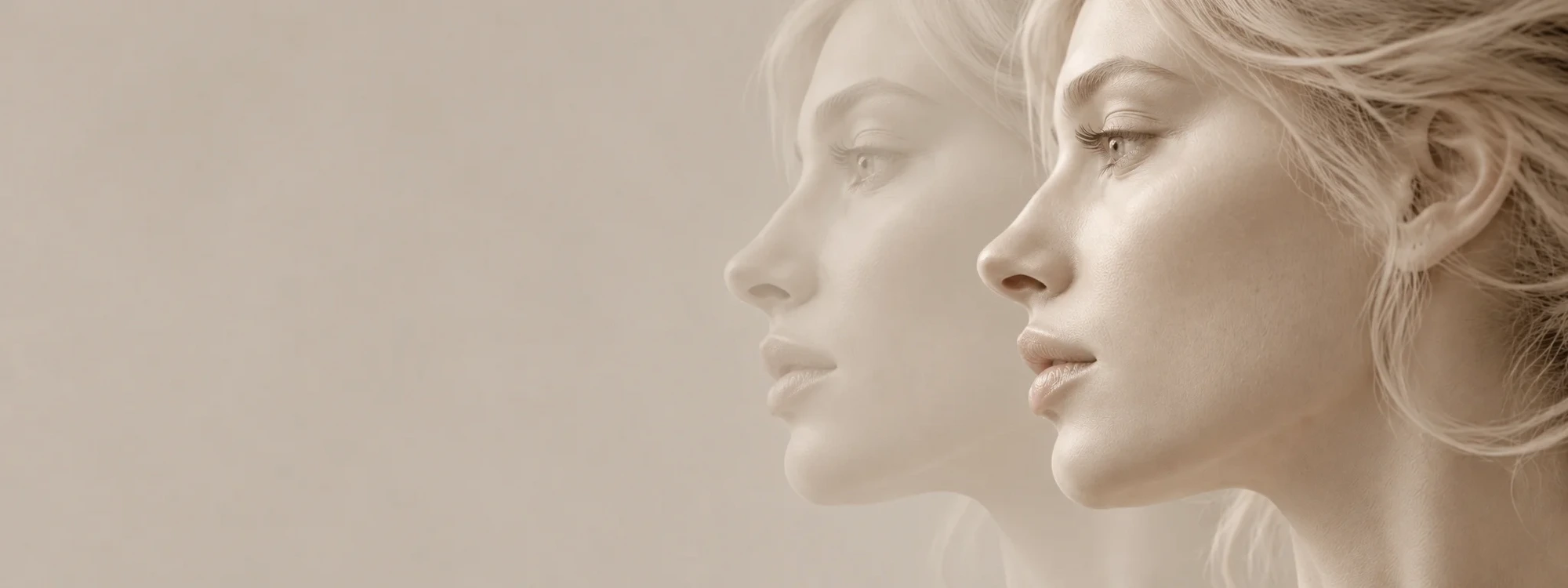
THE REVISION DIFFERENCE
Why revision rhinoplasty is different
Previous surgery changes your anatomy. Scar tissue may obscure normal tissue planes, cartilage support may have been reduced and graft material may be needed to rebuild structure. Skin may also behave differently after more than one procedure. These factors can make revision surgery less predictable and technically more complex than a primary rhinoplasty.
- Persistent or new breathing difficulty
- Residual or new asymmetry
- Tip shape or position concerns
- Bridge irregularity
- Over-resection or loss of support
- Nasal valve collapse
- Visible graft or contour concerns
- A result that does not align with the agreed goals
TIMING & HEALING
Timing matters
The nose can take a year or longer to settle following surgery, particularly after complex work. Unless there is an urgent functional problem, it’s often sensible to allow healing to mature before deciding whether further surgery is appropriate. Mr Randhawa will advise according to your examination and timeline.
WHAT TO EXPECT
Your consultation
Please bring details of previous procedures where available, including operation notes, clinic letters and earlier photographs. The consultation will explore what has changed, what concerns you now, the condition of the remaining structure and what a further operation could realistically achieve.
SURGICAL APPROACH
Grafts and reconstruction
Revision surgery may require cartilage to restore strength or shape. Depending on what is available and needed, graft material may be taken from the nasal septum, ear or rib. The advantages, scars, recovery and risks of any graft site will be explained in advance.
Realistic expectations
Revision rhinoplasty aims for improvement, not perfection. Some asymmetry, scarring or limitation may remain, and not every concern can safely be corrected. Honest discussion of these boundaries is a central part of the decision-making process.

GET IN TOUCH
Ready to take the next step?
A consultation is the best place to discuss your concerns, what may be achievable and whether treatment is appropriate. There is no obligation to proceed with surgery.