
TREATMENT OVERVIEW
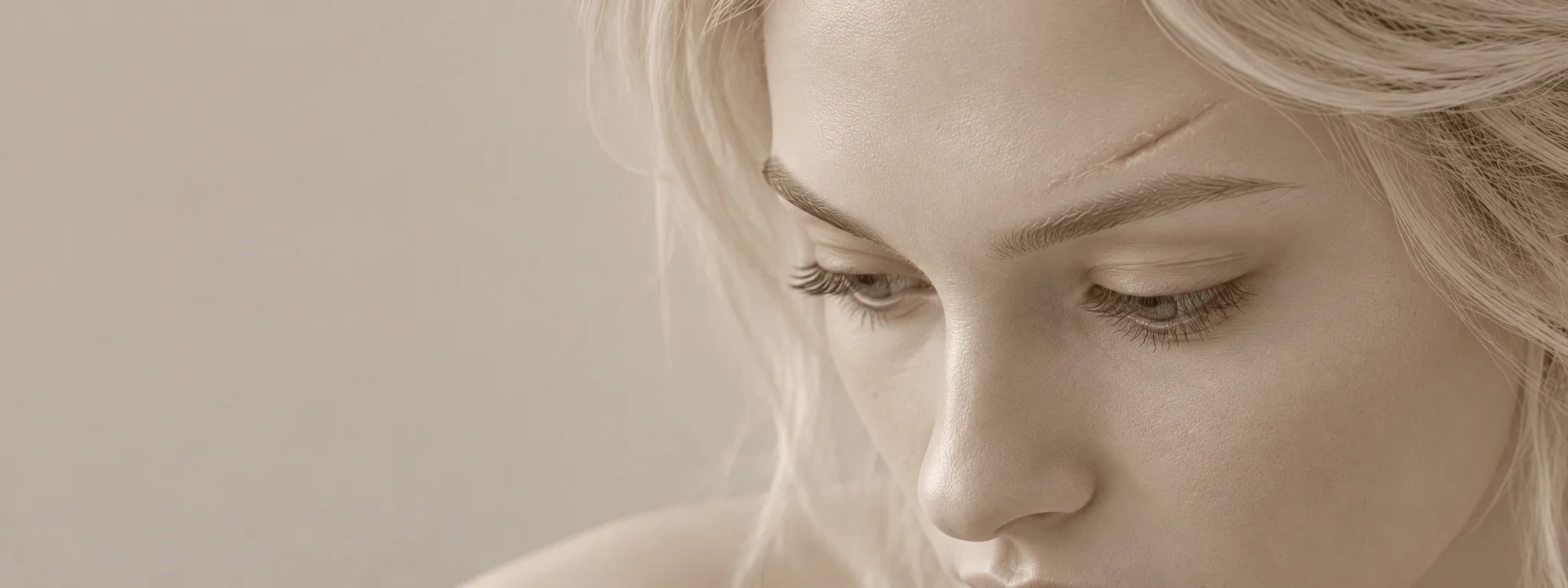
Scar revision
Surgery may improve a raised, widened, tethered or poorly aligned scar, although no procedure can remove a scar completely.
Treatment depends on scar type, location, age, symptoms and skin behaviour.
SYMPTOMS & SIGNS
When to seek an assessment
- A raised or widened scar
- A scar that feels tight or uncomfortable
- Concern about a scar’s position or appearance
WHAT TO EXPECT
Your consultation
The assessment considers how the scar formed, its age, location and symptoms, as well as previous treatment and healing history. Scar type and skin behaviour influence treatment.
Treatment options
Depending on the scar, options may include allowing further healing, non-surgical scar management or surgical revision. The aim is improvement in appearance or comfort; surgery creates a new scar rather than removing scarring altogether.
AFTERCARE
Risks, recovery and follow-up
Bleeding, infection and another raised or widened scar are possible. The revised scar may remain visible and takes time to settle. Wound care and follow-up depend on the location and technique.
PATIENT QUESTIONS
Frequently asked questions
No. Revision may improve a scar, but it cannot restore completely unscarred skin.
No. Some scars improve with time or may be better managed without an operation.

GET IN TOUCH
Ready to take the next step?
A consultation is the best place to discuss your concerns, what may be achievable and whether treatment is appropriate. There is no obligation to proceed with surgery.